Every roof insurance claim Kingwood TX homeowners file usually starts the same way: a spring hailstorm rolls in from the northwest, a tropical system pushes gusts through the pines, or a limb comes down across the back slope at two in the morning. The next morning you are on the phone with your insurer, unsure what to say or what happens next. This guide walks through the process in order, with the Kingwood-specific details that tend to trip people up.
Step 1: Make the Home Safe and Stop the Water
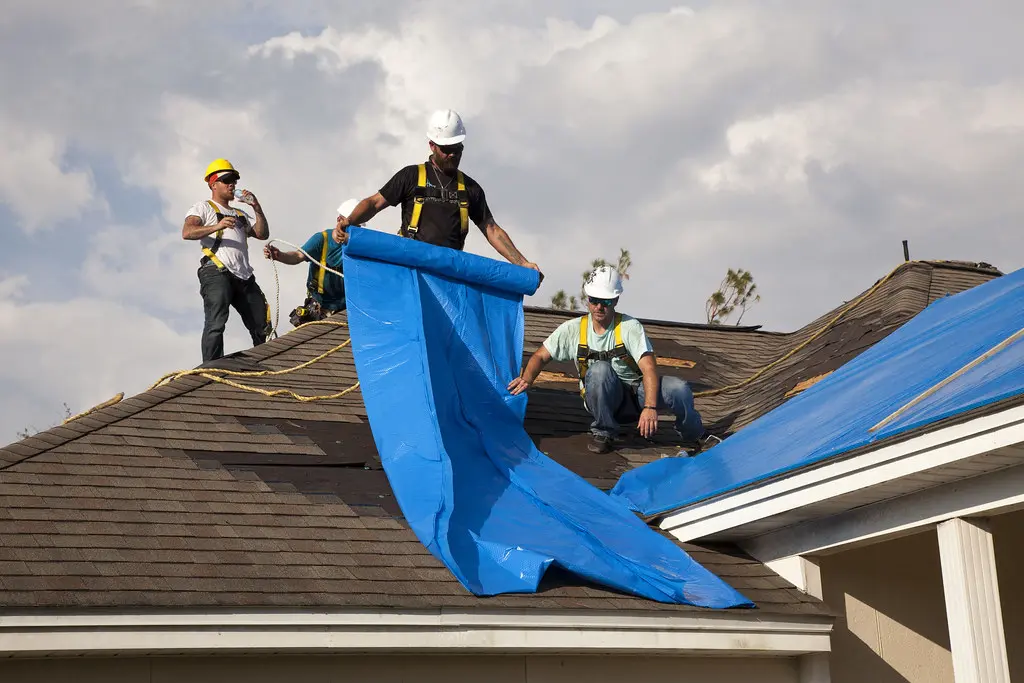
Before paperwork, deal with active leaks. Most homeowners policies expect you to take reasonable steps to prevent further damage, which usually means a tarp over the opening, buckets under drips and moving belongings away from wet ceilings. Keep receipts for tarps, plastic sheeting and emergency labor, because many policies reimburse reasonable temporary repairs.
If a tree or large limb is resting on the roof, stay out of the rooms below it and do not climb up to cut it yourself. Kingwood's mature pines are heavy, and a trunk lying across rafters can shift without warning. Our tree damage roof repair team coordinates removal and dry-in so the structure is not stressed further.
Step 2: Document Everything Before It Changes
Photos taken in the first day or two are often the strongest evidence you will have. Shingles that blow off end up in a neighbor's yard, hail dents on soft metals fade from view as they oxidize, and storm debris gets cleaned up. Document while it is fresh.
- Wide shots of each side of the house, then close-ups of anything damaged
- Hail on the ground with a coin or ruler for scale, if you can safely get a photo
- Dents on gutters, downspouts, A/C fins, mailboxes and patio furniture
- Interior water stains, wet insulation and damaged drywall
- The date and approximate time of the storm, plus any local weather alerts you received
Our free storm damage checklist lists what to photograph so you do not forget the less obvious items.
Step 3: Know Your Policy Before You File
Pull out the declarations page and the full policy. A few lines in there will shape your entire roof insurance claim Kingwood TX outcome more than anything the adjuster says.
Wind and hail deductible
Many Texas policies carry a separate wind and hail deductible, often written as a percentage of the dwelling coverage rather than a flat dollar amount. On a larger Kingwood home, a percentage deductible can be several thousand dollars, so know the number before you start.
Replacement cost or actual cash value
A replacement cost policy usually pays the actual cash value first and then releases the withheld depreciation once the work is complete and invoiced. An actual cash value policy pays the depreciated value only, which can be a fraction of the replacement price on an older roof. Some policies switch to actual cash value for roofs past a certain age, so check the roof coverage endorsement.
Filing deadlines
Deadlines vary. Many Texas policies now require you to report a loss within one or two years of the storm, and the policy may also require "prompt" notice. Texas law also adds notice requirements before a lawsuit over a claim. If you are unsure, report sooner rather than later.
Step 4: Inspect Before Your Roof Insurance Claim Kingwood TX Filing
Not every storm causes claimable damage, and filing for minor wear can create a claim history without a payout. A documented inspection tells you whether the damage is real, how widespread it is and whether it likely exceeds your deductible. We offer a free roof inspection with photo documentation and no obligation, which gives you clear evidence to work from either way.
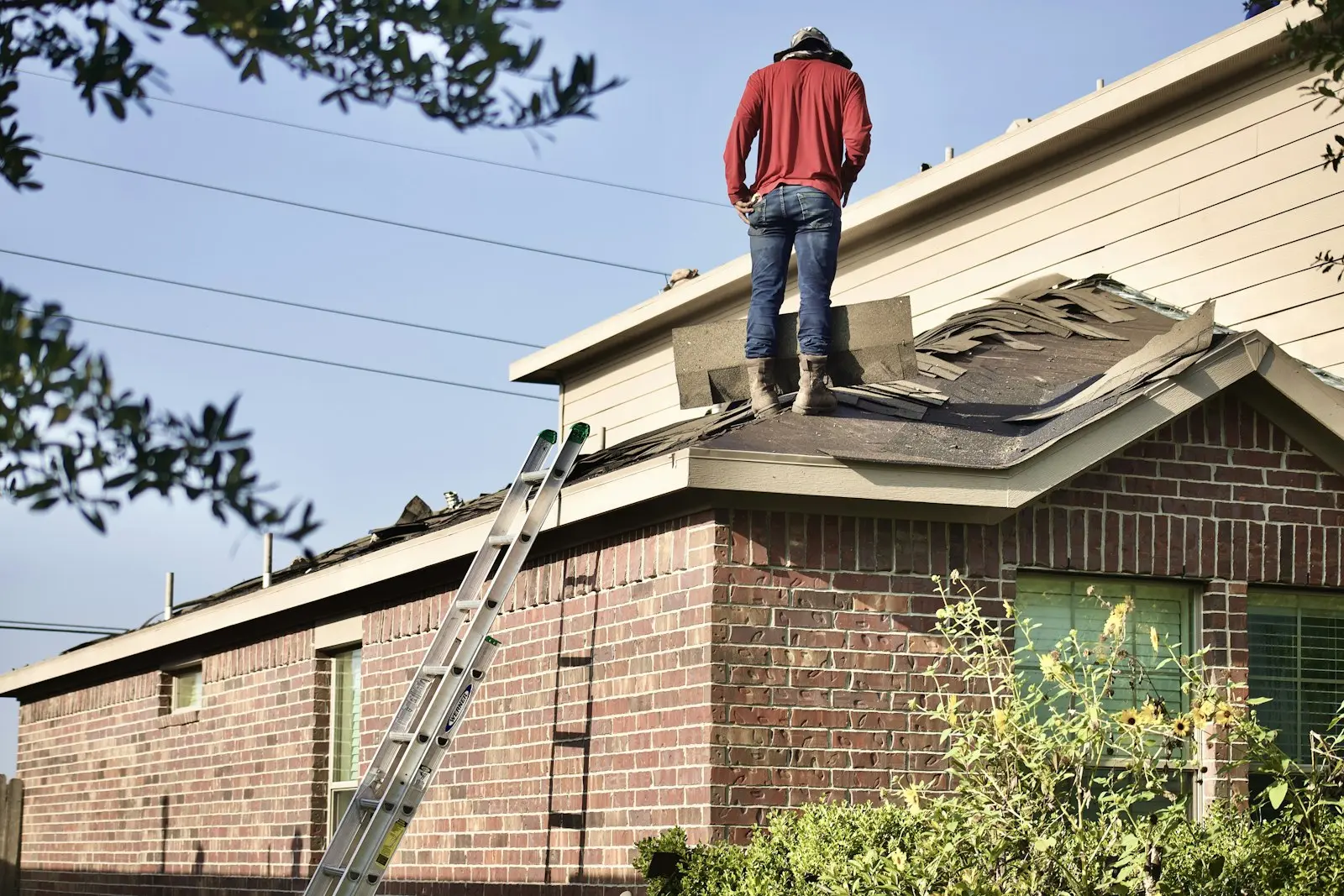
In Kingwood, inspectors should look beyond hail hits. Wind-creased shingle tabs, lifted ridge caps, punctures from falling branches, crushed gutters under a pine limb and torn flashing at walls and chimneys are all common here, and they are easy to miss from the ground.
Step 5: Meet the Adjuster
Once you file, the insurer assigns an adjuster, either a staff adjuster or an independent firm. After big regional storms like Hurricane Beryl in July 2024, adjusters from out of state are brought in to handle the volume, and they may not know local building practices.
Be there for the inspection if you can, and it helps to have your roofer there too. A roofer can point out damage the adjuster may not spot from a ladder and explain local details, such as code-required drip edge or the condition of older decking. We do this through our insurance claim help service. To be clear, we are not public adjusters, we do not negotiate your claim on your behalf and we cannot promise any outcome. We document and explain the damage so the adjuster has the full picture.
Free roof inspection in Kingwood
Photo report, straight answers, no obligation. Most inspections are on the calendar within a few days.
Step 6: Read the Estimate Line by Line
The adjuster's estimate, usually built in claims software, lists every item the insurer agrees to pay for. Compare it carefully with what you and your roofer found.
| Estimate item | What to check |
|---|---|
| Roof area (squares) | Matches the actual roof, including waste for hips and valleys |
| Tear-off and disposal | Included, with the correct number of layers |
| Underlayment and drip edge | Listed where the current code or manufacturer requires them |
| Flashing, pipe jacks and vents | Replaced rather than assumed reusable |
| Gutters and other metals | Dented items included if storm-damaged |
| Depreciation | Shown as recoverable or non-recoverable |
| Tree removal | Included if a tree struck a covered structure |
If something is missing, you can ask for a supplement or a re-inspection. Send the insurer photos and a written explanation. Many items are added this way without any dispute, simply because they were not visible on the first visit.
Step 7: Pay Your Deductible and Complete the Work
Texas law is direct about deductibles. Under Business and Commerce Code §27.02, a contractor may not waive, rebate, absorb or "cover" your deductible, and you are responsible for paying it. A roofer who promises a "free roof" is offering to break the law, and that is a fair preview of how the rest of the job will go.
Before work starts in Kingwood, also check with your village association. Many of the community associations require architectural approval of shingle color and material, and the rules differ by village. Our Kingwood HOA roof approval guide explains the typical process.
Once the roof is finished, send the final invoice and any requested photos to your insurer to release recoverable depreciation, if your policy includes it. Keep copies of everything: the policy, the estimate, all correspondence, invoices and completion photos.
Common Mistakes Kingwood Homeowners Make
- Waiting too long. A small hail event in spring gets forgotten until a leak shows up a year later, and by then the claim may be harder to tie to a specific storm or past the policy deadline.
- Signing with a door-knocker. Some "inspection agreements" commit you to that contractor if the claim is approved. Read before you sign anything.
- Cleaning up first. Hauling away limbs and loose shingles before photographing them removes evidence.
- Ignoring the interior. Water stains, wet attic insulation and damaged ceilings belong in the same claim.
- Assuming the first estimate is final. Supplements are a normal part of the process when legitimate items are missed.
A roof insurance claim Kingwood TX homeowners file goes more smoothly when you know what is on your roof before anyone else tells you. Schedule a free inspection with a Kingwood roofing team that knows local storms, get photos of what we find and decide your next step from there. Call (512) 297-7580 to set up a time.