Fall roof maintenance Kingwood homeowners do in October and November pays off all winter. Once summer heat breaks, the pines start dropping needles in earnest, hardwoods follow with leaves, and the first cold fronts bring steady rain. At the same time, hurricane season is still officially open until November 30. This checklist walks through what to look at, what you can safely do yourself and when to call a roofer.
Why Fall Matters for Kingwood Roofs
Kingwood's tree canopy is the reason many of us live here, and it is also the main reason roofs here need seasonal attention. In fall:
- Needles and leaves pile up in valleys, gutters and behind chimneys, where they hold moisture and block drainage.
- Summer heat has done its damage. Months of high attic temperatures can crack rubber pipe boots and dry out sealants.
- Squirrels and rodents get busy looking for nesting spots before the cooler months and may chew at vents and roof edges.
- Storms are still possible. Late-season tropical systems and strong fronts can bring wind and heavy rain.
Fall Roof Maintenance Kingwood Checklist
Use this table as a quick plan. Anything marked "Pro" involves climbing onto the roof or working at height.
| Task | What to look for | Who |
|---|---|---|
| Clean gutters and downspouts | Packed needles, standing water, sagging sections | DIY with care or Pro |
| Clear roof valleys | Needle mats and leaf buildup in valleys | Pro |
| Scan shingles from the ground | Missing, lifted or creased shingles; bare spots | DIY with binoculars |
| Check pipe boots and flashing | Cracked rubber, lifted metal, gaps at walls and chimneys | Pro |
| Inspect the attic | Water stains, damp insulation, daylight, droppings | DIY |
| Look for animal entry | Chewed vents, gaps at fascia and roof edges | DIY from ground, Pro to repair |
| Trim overhanging limbs | Branches touching or hanging over the roof | Tree professional |
| Take baseline photos | Overall condition of every slope | DIY or during an inspection |
Gutters and Downspouts
Gutters are the first thing to fail under a Kingwood pine. Needles mat together into a dense layer that lets water spill over the front edge, soaks the fascia board and dumps water next to the foundation. Heavy, wet debris can also pull gutter hangers loose.
- Clear the gutters after most of the needle drop, then run water through each downspout to confirm it drains.
- Check that downspouts discharge away from the foundation and are not crushed by lawn equipment.
- Look for rust, separated seams and sections pulling away from the fascia.
- If you are tired of cleaning, ask about guards designed for pine needles. Our gutters and gutter guards page covers options.
Valleys, Shingles and Flashing
Valleys carry more water than any other part of the roof, and in Kingwood they collect the most needles. A thick mat in a valley acts like a dam, pushing water sideways under shingles. It also stays damp, which encourages moss and rot.
From the ground with binoculars, scan each slope for missing or lifted shingles, areas that look darker or patchy, and granules collecting at downspout outlets. Pay close attention to slopes facing the direction of the strongest summer storms.
Flashing around chimneys, walls, skylights and plumbing vents is where most leaks start. Rubber pipe boots in particular tend to crack after years of Texas sun. A cracked boot is an inexpensive fix before it leaks and a much bigger one after water reaches the ceiling.
Also check any exposed nail heads, sealant along ridge caps and the seals around skylights. Sealants dry out and shrink after a long summer, and small gaps that seem harmless in August can let wind-driven rain in during a November front. If you are not sure how old your roof is, our roof age estimator helps you judge how closely to watch these details.
Free roof inspection in Kingwood
Photo report, straight answers, no obligation. Most inspections are on the calendar within a few days.
The Attic Check
The attic tells you things the roof surface cannot. On a dry day with a good flashlight, look for:
- Water stains on the underside of the decking or on rafters
- Damp, compressed or discolored insulation
- Daylight coming through where it should not
- Droppings, nesting material or chewed wiring that point to squirrels or rodents
- Blocked soffit vents, which trap heat and moisture
Stay on the joists or walkways, and do not step between them onto drywall. If you find a stain, note where it sits relative to vents, valleys or the chimney above. That location helps a roofer trace the source quickly, since water often travels along rafters before it drips.
Squirrels, Rodents and the Roof Edge
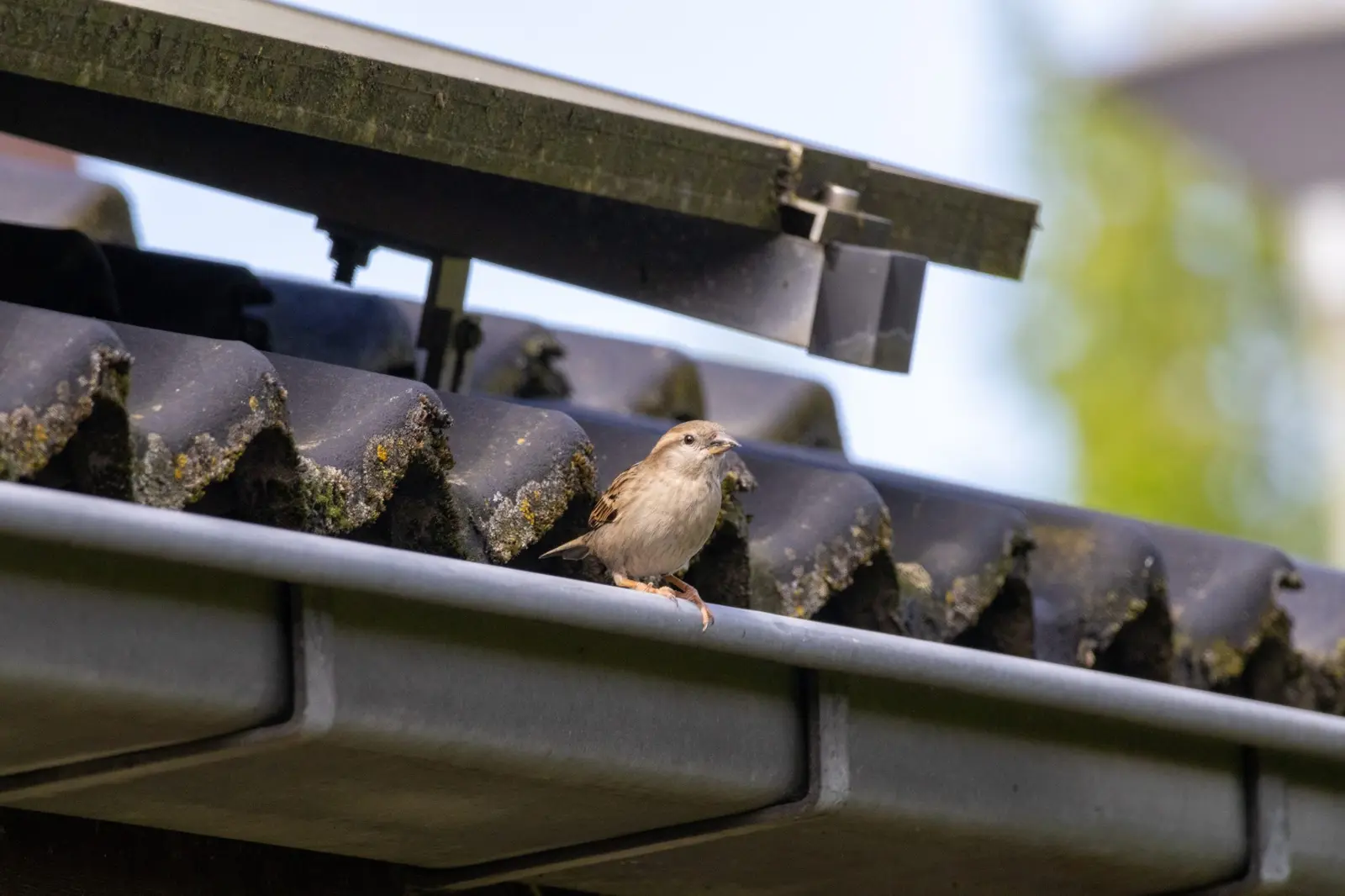
Squirrels are a constant in The Livable Forest, and fall is when many try to move indoors. They chew through plastic roof vents, gnaw gaps at the fascia and soffit, and enlarge any opening they find near the roofline. Once inside, they can damage insulation and wiring.
Walk the perimeter and look up at the eaves and roof vents. Fresh chew marks, torn screens or a squirrel disappearing into the roofline are clear signs. Repairs usually involve sealing the entry with sturdy materials and replacing damaged vents or edge metal. If animals are already inside, work with a wildlife professional to get them out before the openings are sealed.
Trees, Late-Season Storms and Baseline Photos
Fall is a good time to have overhanging limbs trimmed. Branches touching the roof scrape shingles in the wind and give squirrels a bridge to the roofline, and weak limbs over the house are a risk during any strong front or late-season tropical system. Hurricane Ike in 2008 and Hurricane Beryl in July 2024 both showed how much damage falling trees can do here. Check with your village association and the city before removing large trees. For more, read pine trees and your roof and our hurricane roof preparation guide.
Take baseline photos
Photos of your roof in good condition make any future insurance claim easier. They help show what changed after a storm and when. Take wide shots of every slope you can see from the ground, plus close-ups of gutters, vents and flashing. Store them with the date somewhere you can find them later.
Let a Pro Handle the Roof Itself
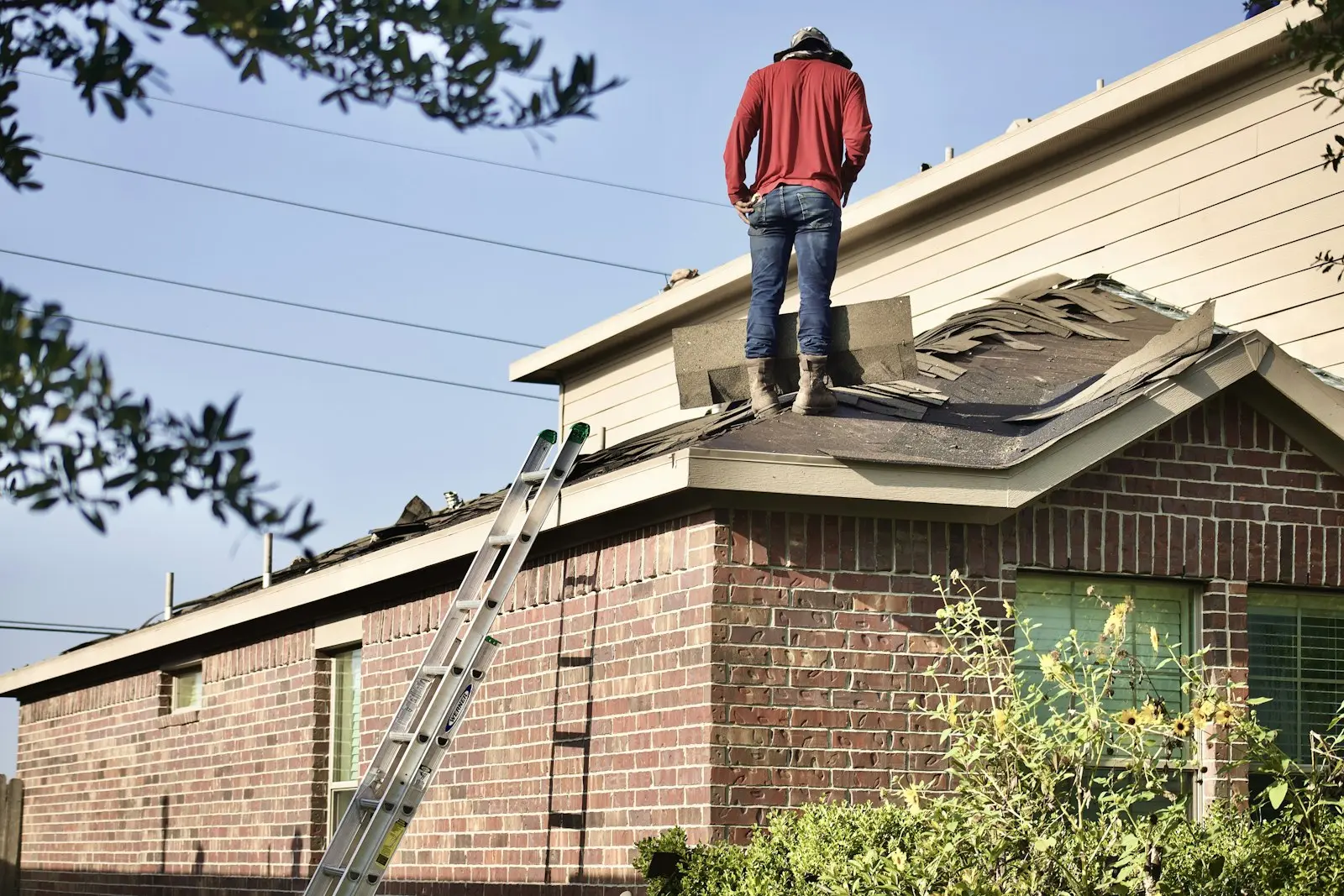
Ground checks and attic looks are reasonable DIY tasks. Walking a shaded, needle-covered roof is not, since those surfaces stay slick long after rain. For fall roof maintenance Kingwood homeowners can count on, Kingwood Roofers offers a free roof inspection with photo documentation and no obligation. We will clear and check the valleys, look at flashing and pipe boots, note any animal entry points and give you a straight answer about what needs attention. Call (512) 297-7580 to schedule with a Kingwood roofing team before winter rains arrive.